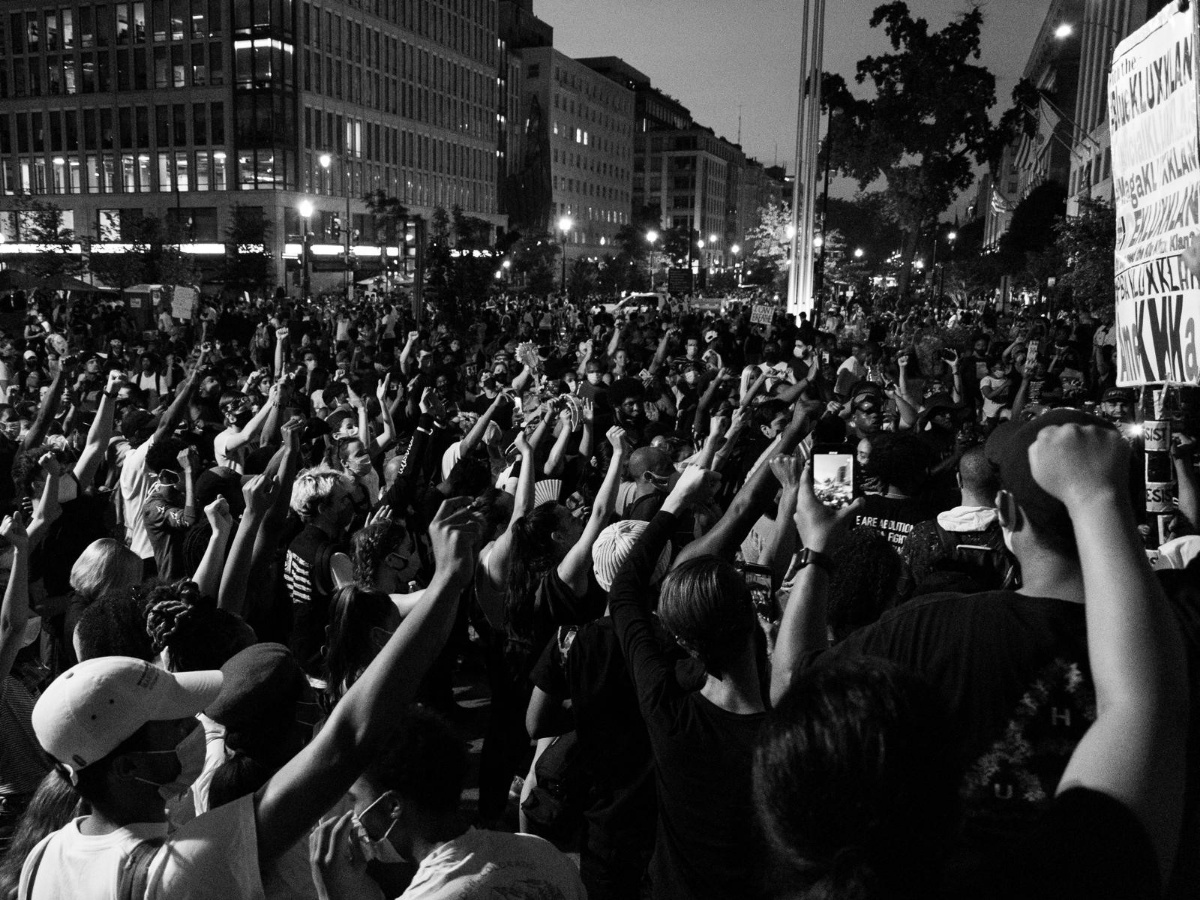
Support and solidarity for political movements is unevenly distributed; some receive more attention than others. This can, in turn, lead to rivalry and resentment. This panel would like to discuss strategic differences, similarities, and potential tensions across contemporary movements and campaigns. Why has the Palestine solidarity movement become an international phenomenon? What does the “Woman, Life, Freedom” campaign do better than others? How can cross-border actions, like those for the Kurds in Rojava, be organized on short notice?
Throughout various movements, different experiences with racism, colonialism, and occupation intersect. Moreover, political interests of individual groups and power dynamics between different actors can lead to selective rather than inclusive solidarity. This can pit activists or victims of violence against each other, rather than encouraging mutual allyship. With these considerations in mind, this edition of Zeit zu Reden asks how we can stay engaged with different sites of struggle, such as Palestine/ Israel, Syria, Iran, and Ukraine, as well as Sudan and Yemen, using a human rights perspective.
Every movement faces different challenges; some are internally divided, others are confronted with particularly strong state repression, and some possess few material resources for their struggles for freedom and equality. The panel will discuss how alliances across borders emerge, and which strategies help to mobilize collectively, rather than to create a hierarchy of solidarity.
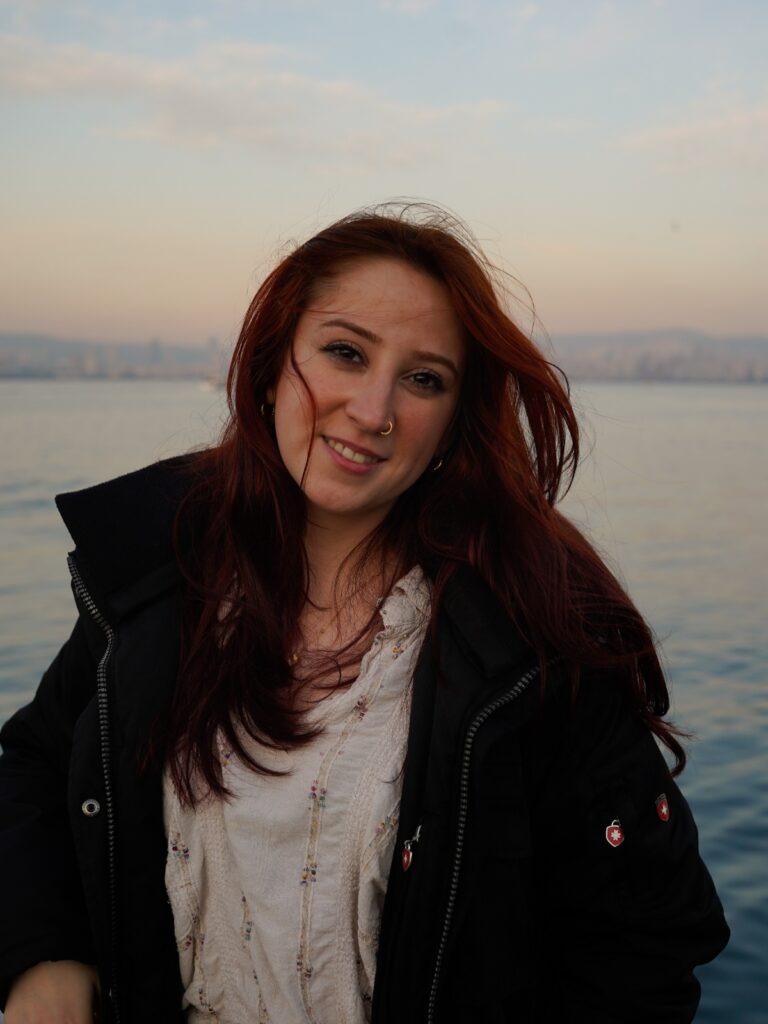
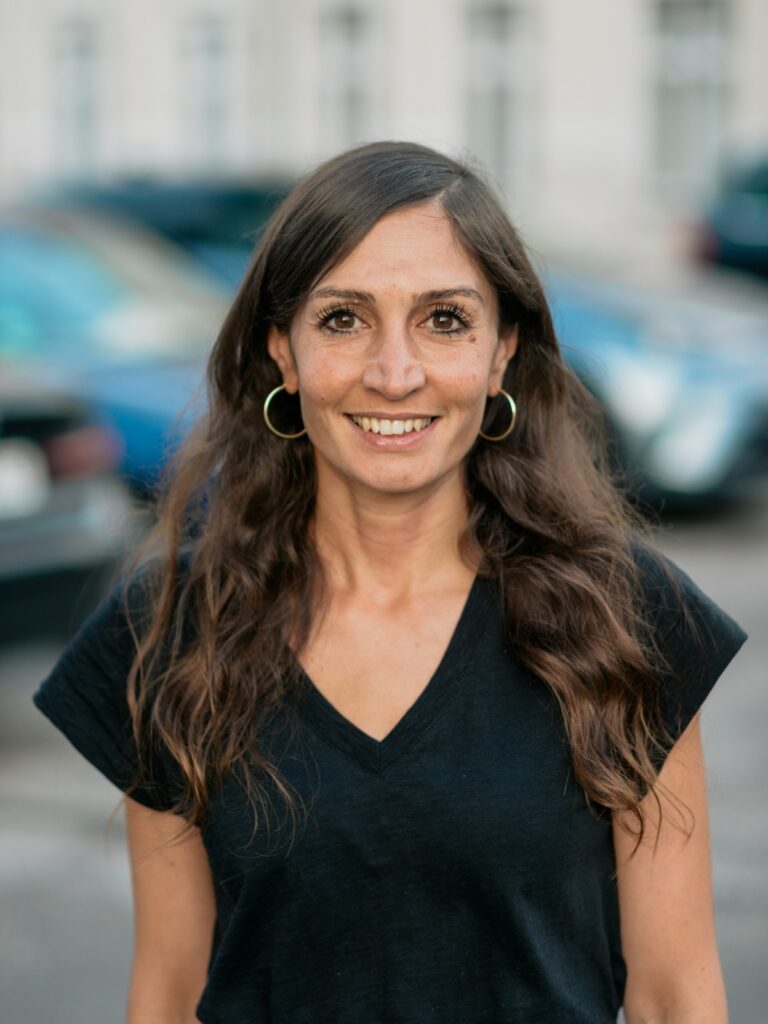
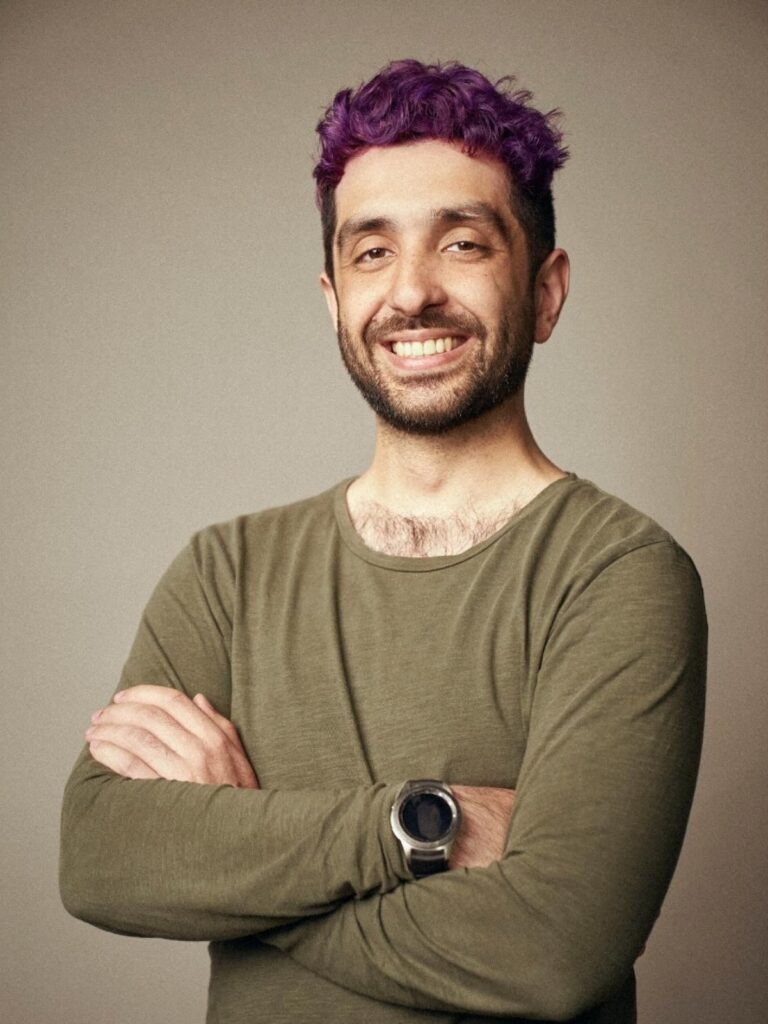
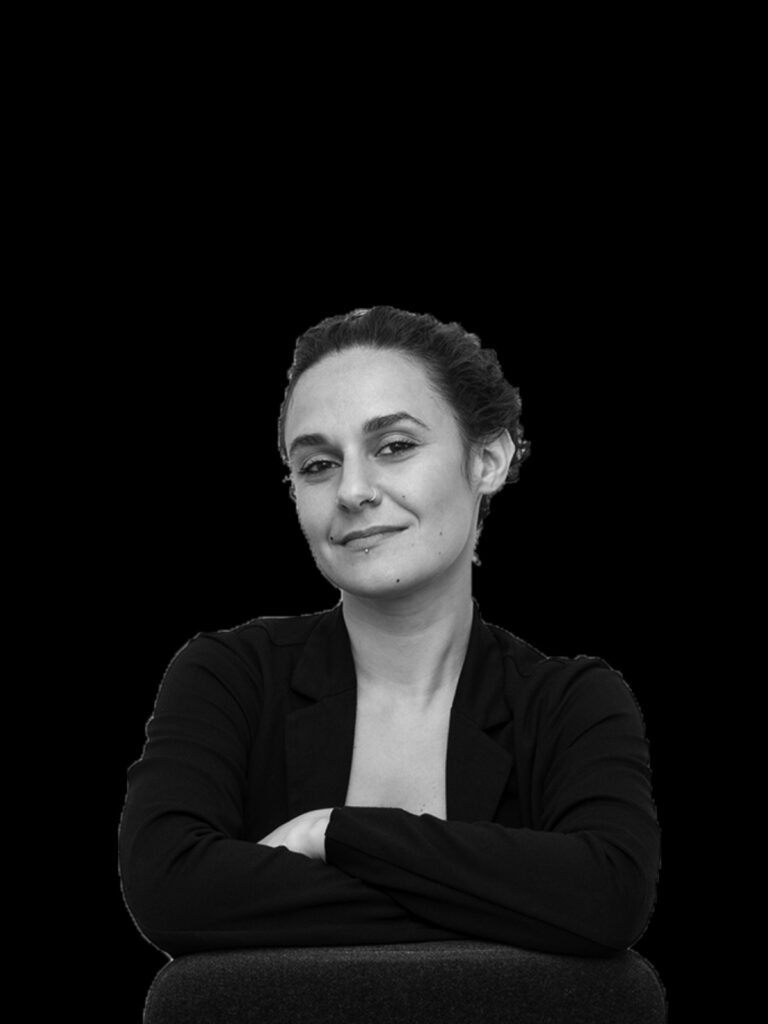
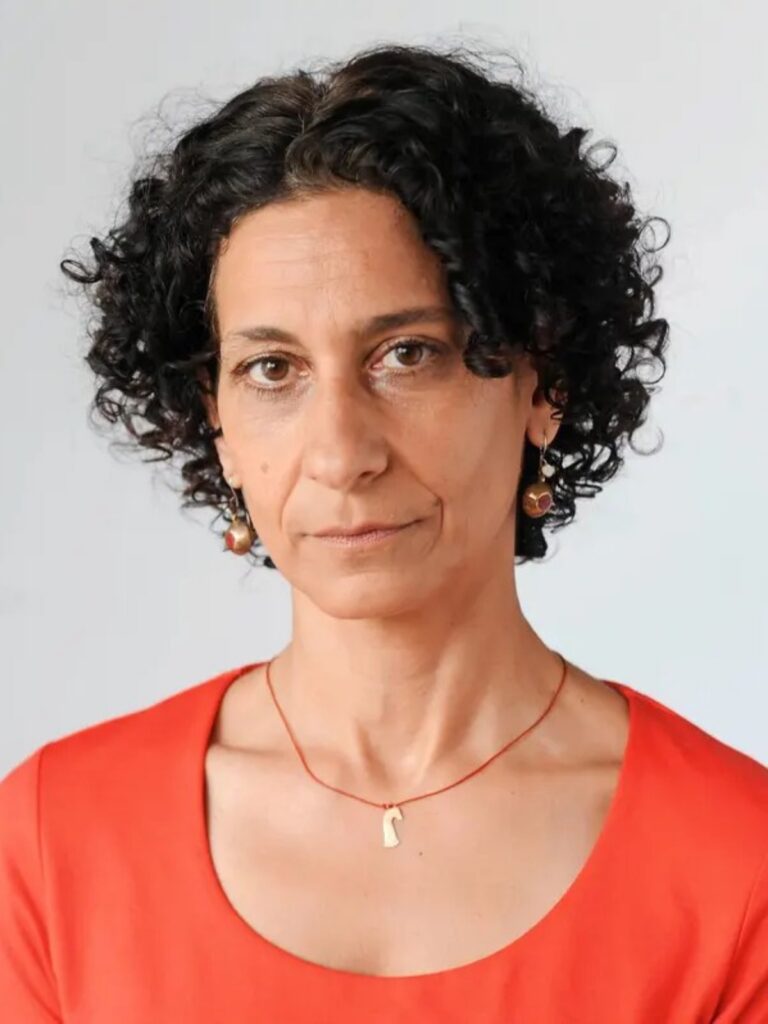
With Dilara Lorin, Gilda Sahebi, Tareq Sydiq and Anna Younes. Moderated by Sonja Zekri.