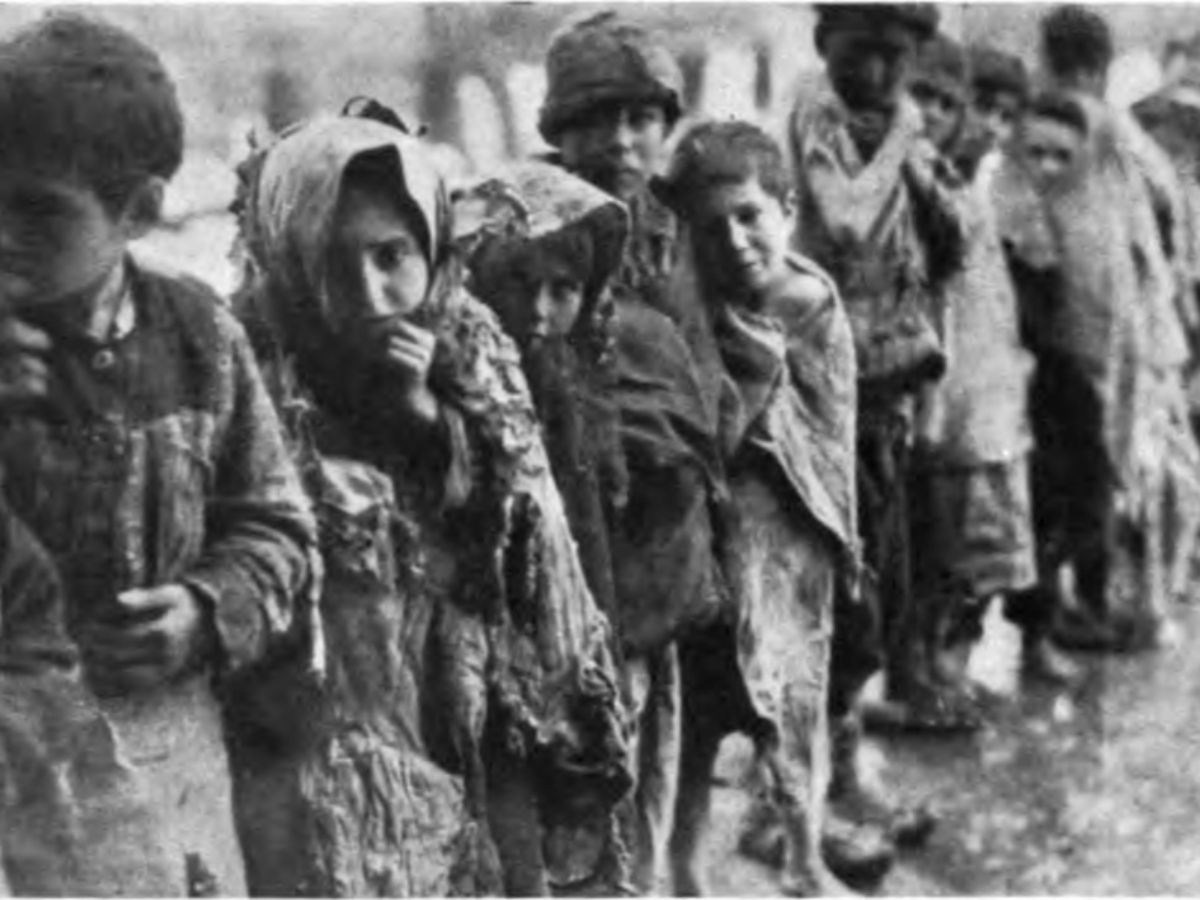
Every year on April 24, Armenians around the world commemorate the genocide in which, starting in 1915, the Armenian population of the Ottoman Empire was systematically destroyed and displaced. It is one of the best-documented genocides in modern history. Evidence of the atrocities can also be found in the files of the German Foreign Office, for the German Empire – an ally of Turkey in the First World War – had sent military advisers to support it, who were involved in the decisions of the Turkish rulers.
The perpetrators and their supporters were never brought to justice, and Turkey still does not recognize the genocide to this day. One of the main perpetrators, Interior Minister Talat Bey, evaded prosecution by fleeing to Germany, where he found refuge in Berlin.
The devastating massacres of the Armenians inspired Raphael Lemkin, a Polish-Jewish jurist, to coin the term “genocide” in the 1940s. His work gained additional urgency from the destruction of European Jews by Nazi Germany and ultimately led to the adoption of the Genocide Convention by the UN in 1948. However, this did not prevent further genocides and crimes against humanity – from the Biafran War to Yugoslavia, Rwanda, the Rohingya in Myanmar, the Yazidis, Sudan, and Gaza.
Since October 7, 2023, Armenians have felt that the crimes in Gaza serve as a stark reminder of their ancestors’ fate—the genocidal rhetoric of politicians and the images of hundreds of thousands of displaced people bear a chilling resemblance. Both peoples speak of catastrophe—what is “Yeghern” for Armenians is the “Nakba” for Palestinians, and for both, historical injustice continues to this day.
In September 2023, Armenians once again fell victim to mass expulsions when Azerbaijan launched a military offensive against Artsakh (Nagorno-Karabakh), an Armenian enclave within Azerbaijan. As a result, nearly the entire Armenian population of over 100,000 people fled to Armenia within a week. In Jerusalem, too, the Armenian community faces violent attacks by Jewish settlers.
The panel will discuss the patterns that link these atrocities across time and geography, as well as the consequences of denial and impunity. How do arms sales, geopolitical alliances, and energy interests determine which lives are protected and which are ignored? And what obligations does Germany have, stemming from its historical entanglements, beyond mere acknowledgment?
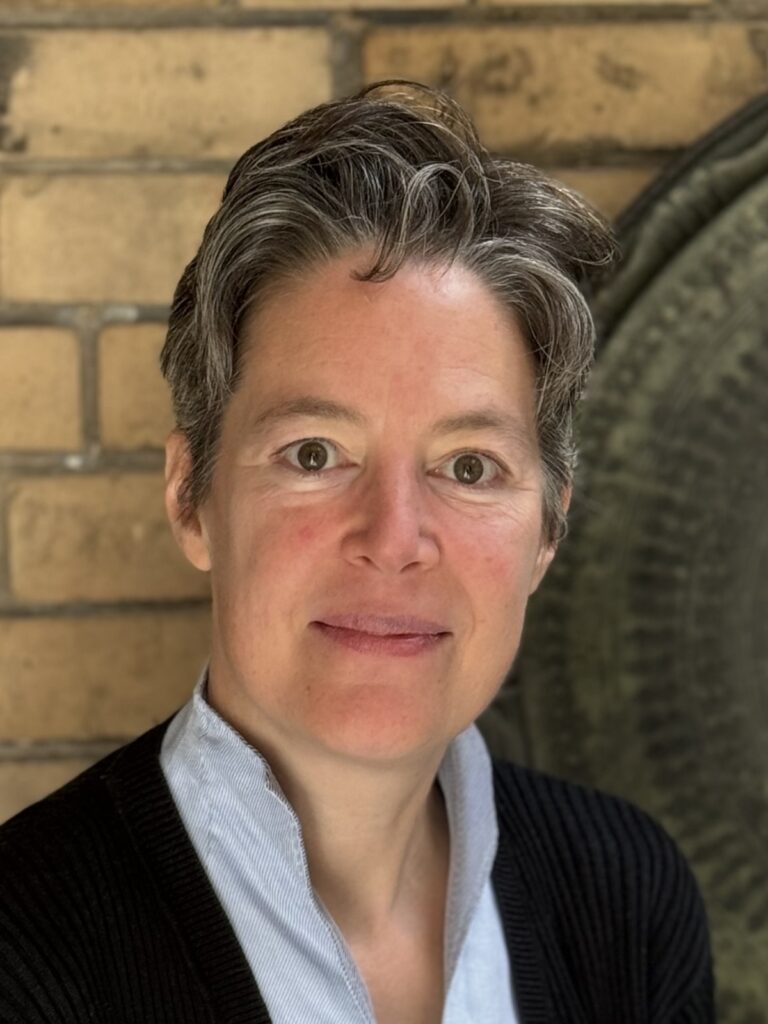
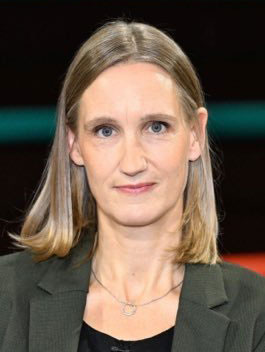
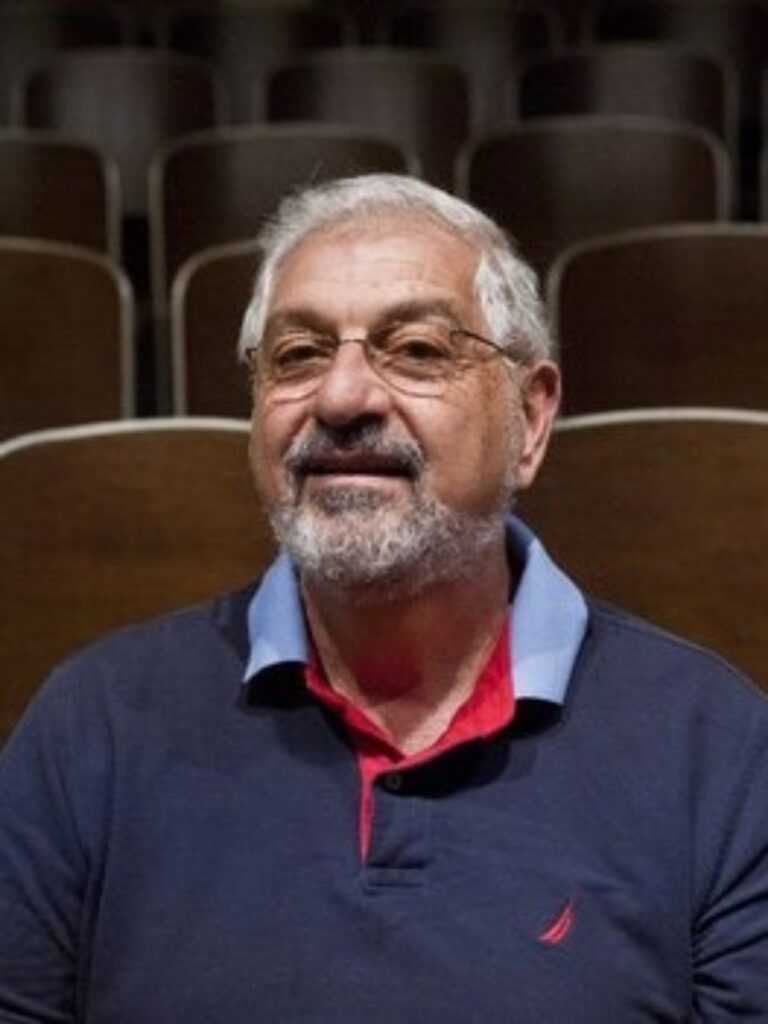
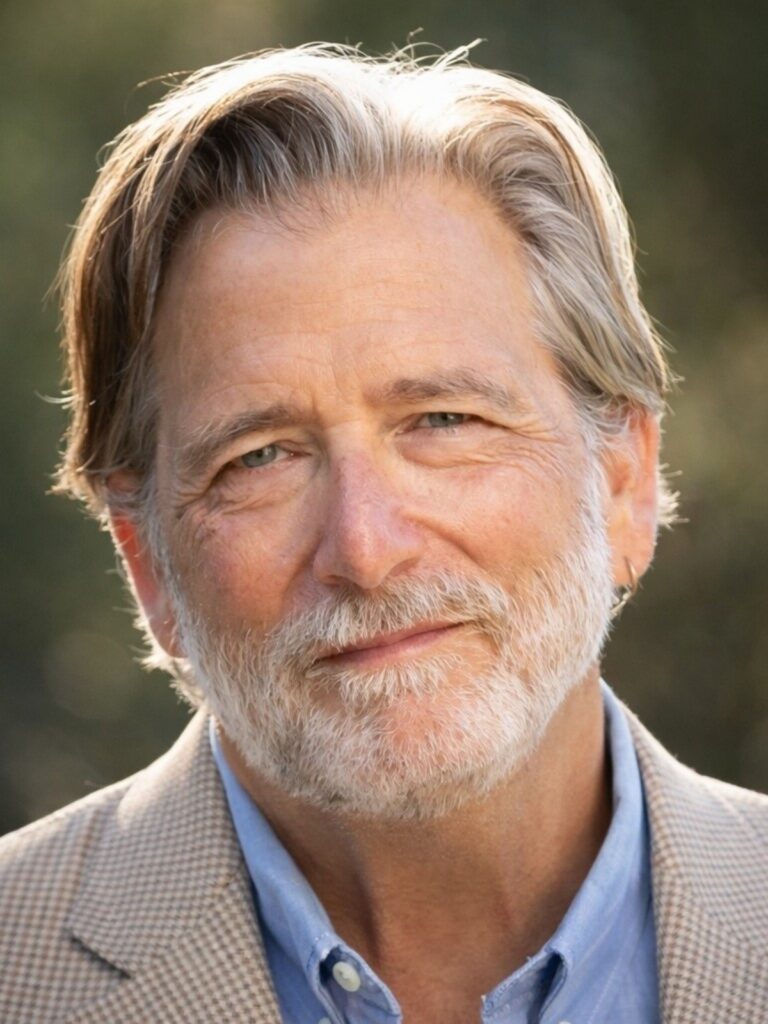
With Elke Shoghig Hartmann, Ronald Suny, und Keith Watenpaugh. Moderated by Kristin Helberg.
Follow this link to read the latest work by Keith Watenpaugh. Here is an open-source copy of the article. https://www.tandfonline.com/doi/full/10.1080/14623528.2026.2631361#d1e343