For over a year, public discourse in Germany has appeared detached from the events in the Middle East and international reporting on them. This is caused by the German media’s unwillingness to cover the war professionally and independently and to maintain the necessary distance from information sources and political actors.
In the first few months in particular, many editorial offices were guided by the German raison d’état, which was understood to signify unconditional solidarity with Israel and support for the Israeli government. Double standards prevail not only in politics, but also in the media with regard to Israel and Palestine. This has created a gap between the war narrative in Germany and the perception in other democratic countries that seems difficult to bridge – with far-reaching consequences on culture and science.
What are the reasons for this journalistic failure? Is it a lack of background knowledge and a shortage of staff or political pressure and external influences? What role does the fear of accusations of anti-Semitism and possibly losing one’s job, further commissions or public funding play for journalists and potential interview partners? And is false or one-sided reporting an accumulation of regrettable individual cases, or is there a structural problem – for example in public service broadcasting?
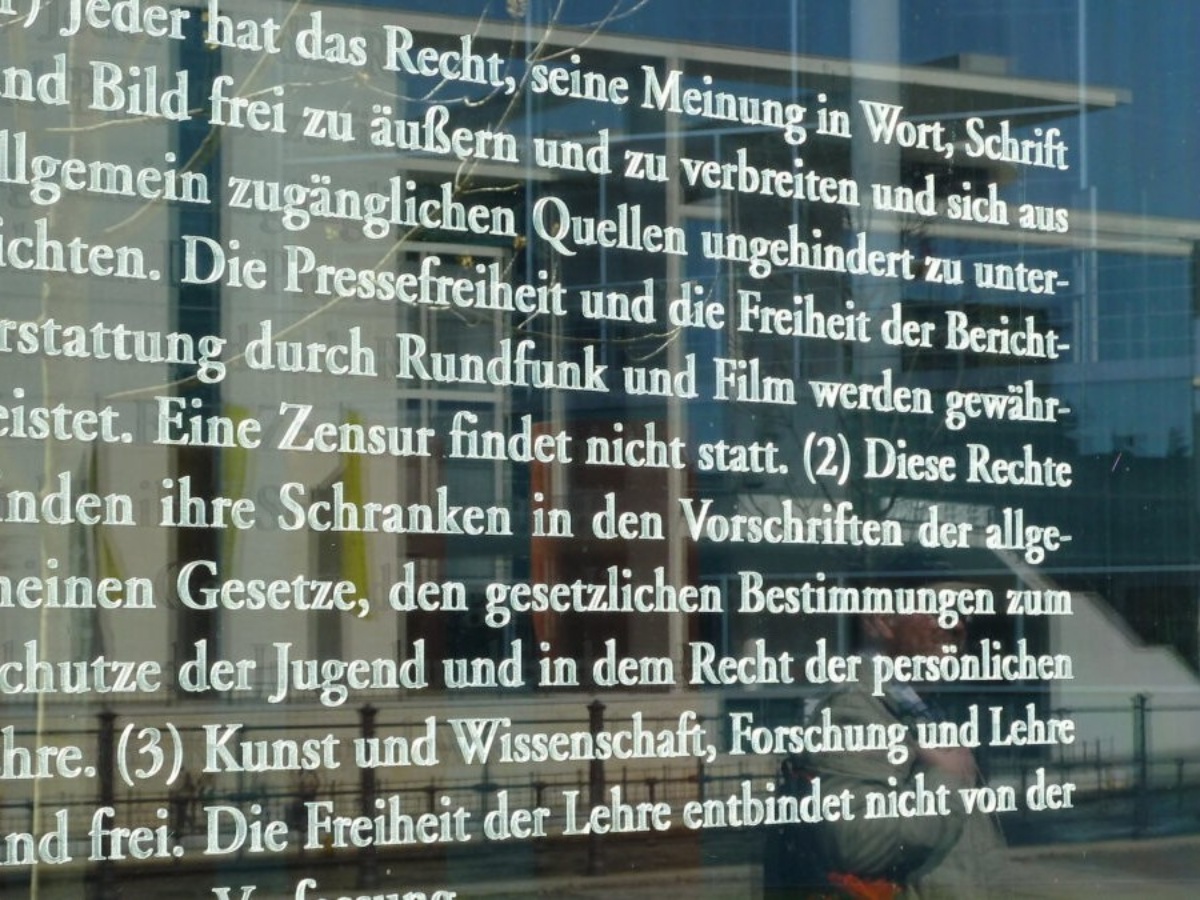
According to surveys, almost half of the German population has little or no trust in German media reporting on Gaza and Israel. How does this affect freedom of the press, debates in the arts and culture scene and democracy as a whole? And how can trust be regained?
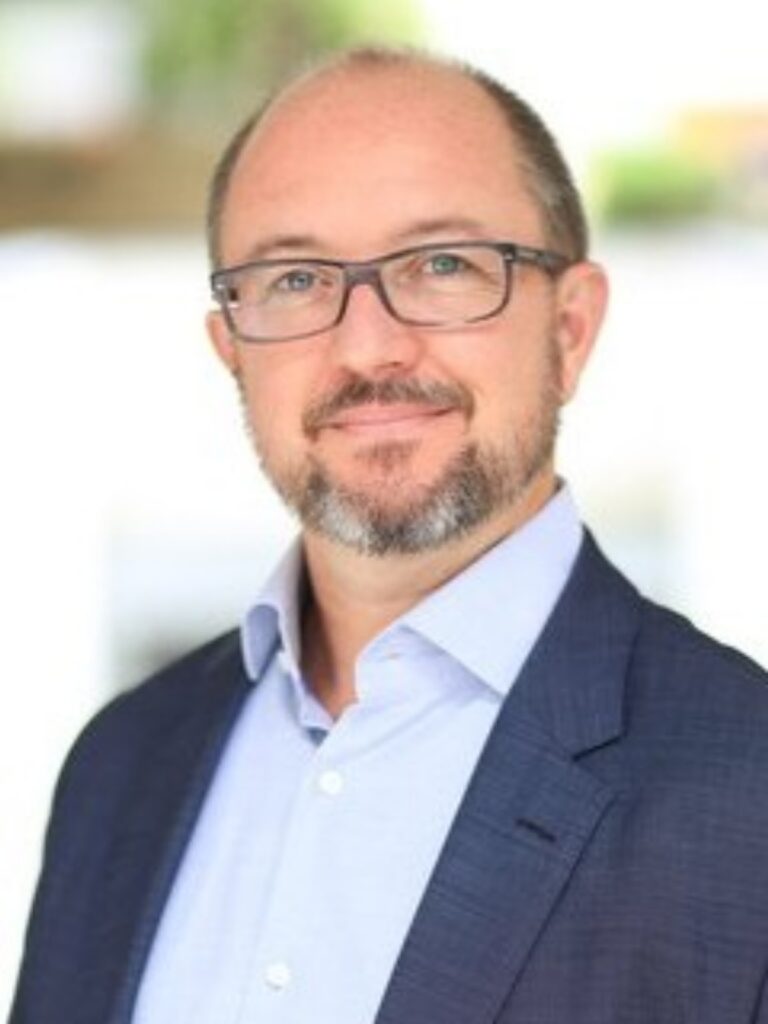
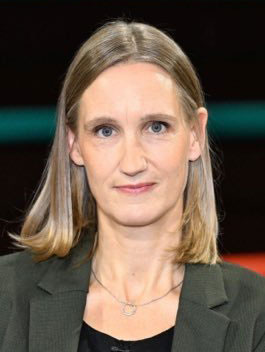
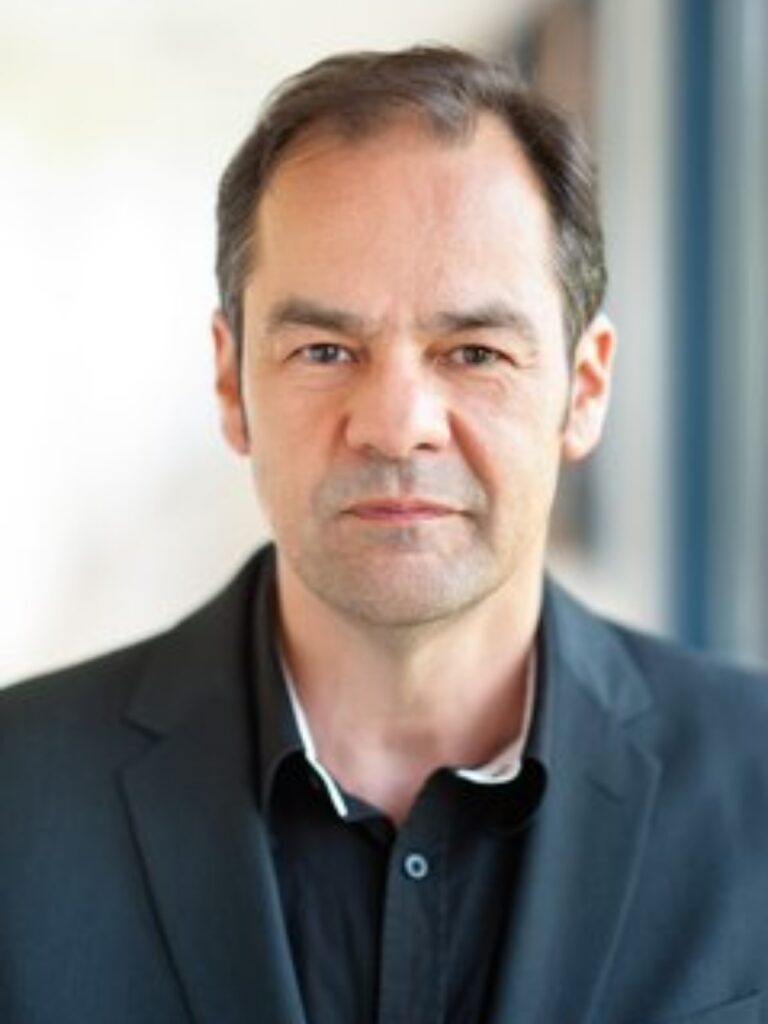
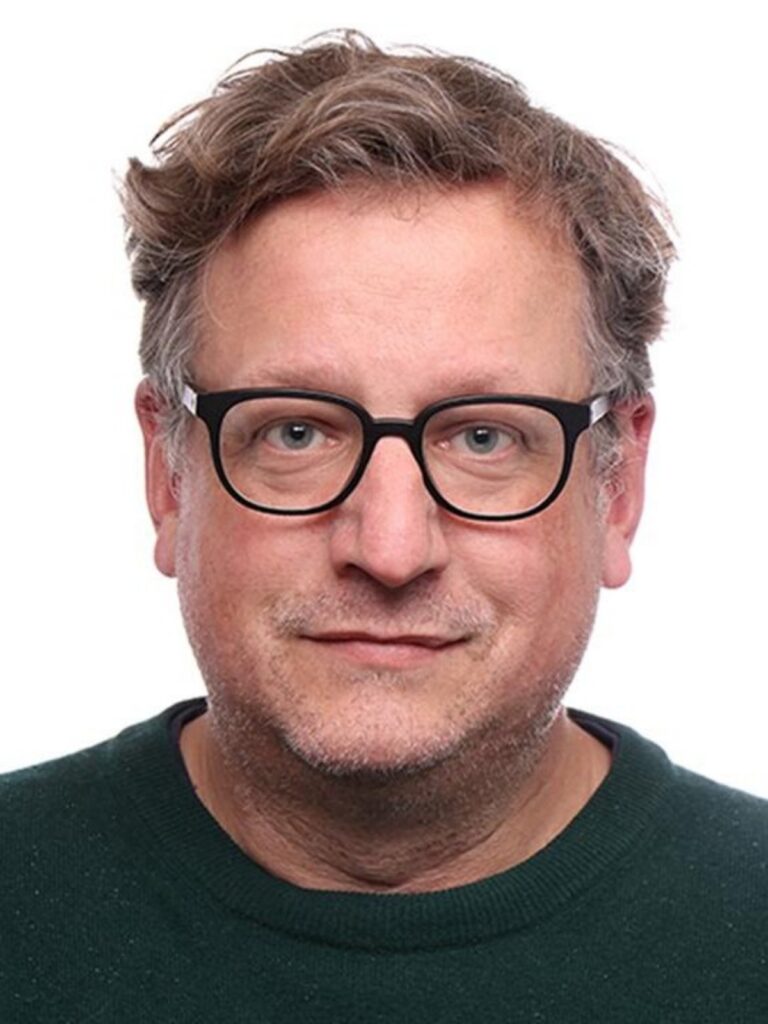
Speakers: Daniel Bax, Kai Hafez, Alena Jabarine und Jan-Christoph Kitzler.
Moderation: Kristin Helberg